 ×
×
The farmer uses rotavator blades in the field to turn the soil. The blades are crafted specifically to penetrate the soil and prepare for planting. Now, Let us see how these rotavator blades are manufactured.
The Process of making rotavator blades in Detail: Rotavator blades are made of several processes to form strong and long-lasting blades. First, engineers create the shape of the blade. They consider the angle and curve to ensure the blade can slice through the soil.
Once the design is finalized the next step is choosing the correct materials for the blades. Using the good materials is the very key factor to make the solid rotavator blade. Typically, hard steel is used as its best suited for sorrier work in the soil.
Design consideration is the key factor to make rotavator blades economical. One of the things that engineers are working on doing is finding a way to design the blades so that they can turn the soil more effectively with a reduced amount of energy. This saves farmers; time and fuel when they work in the fields.
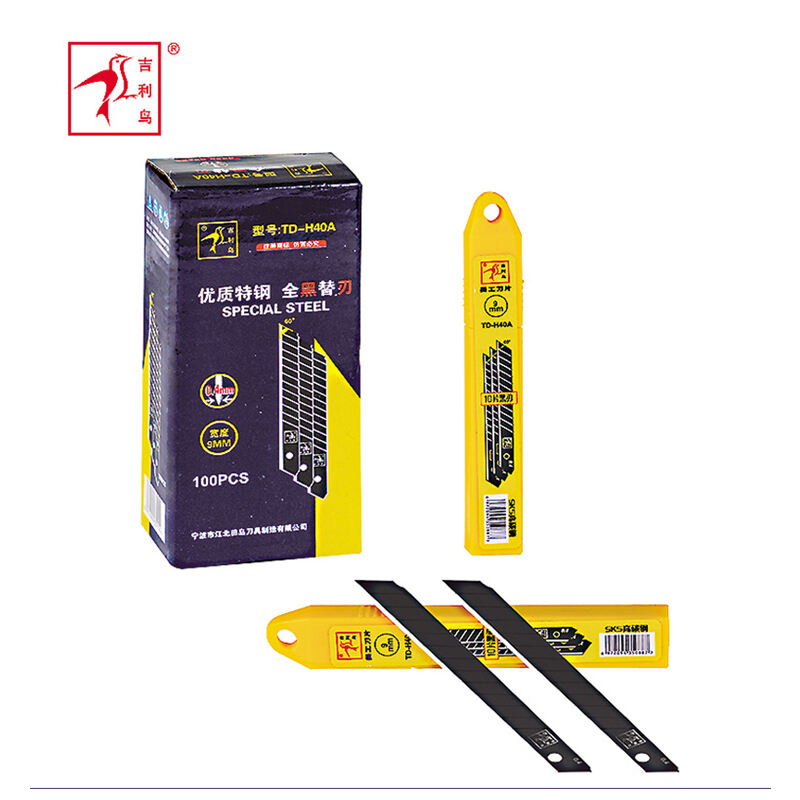
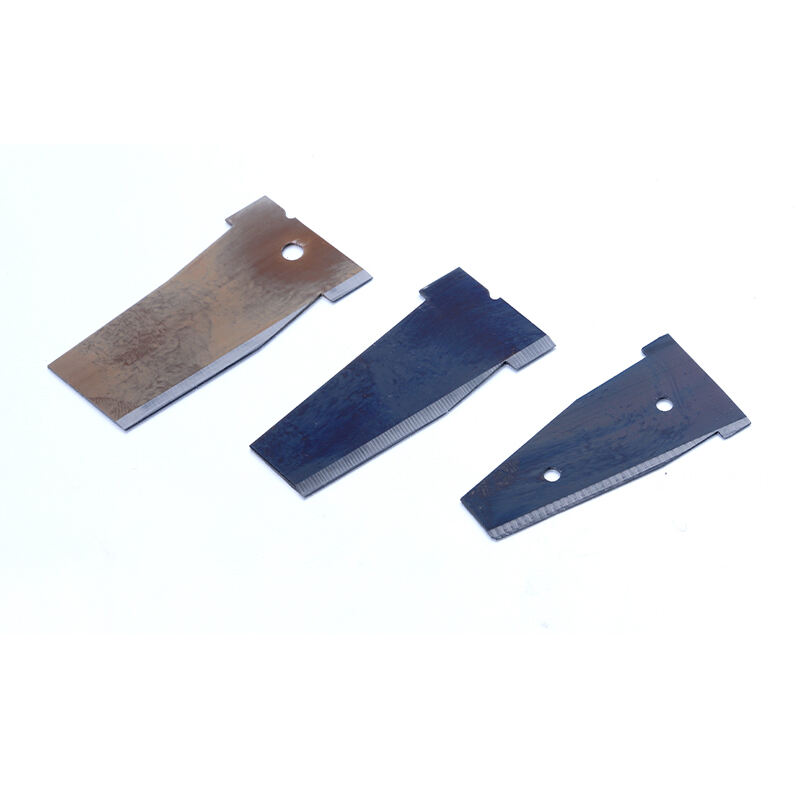
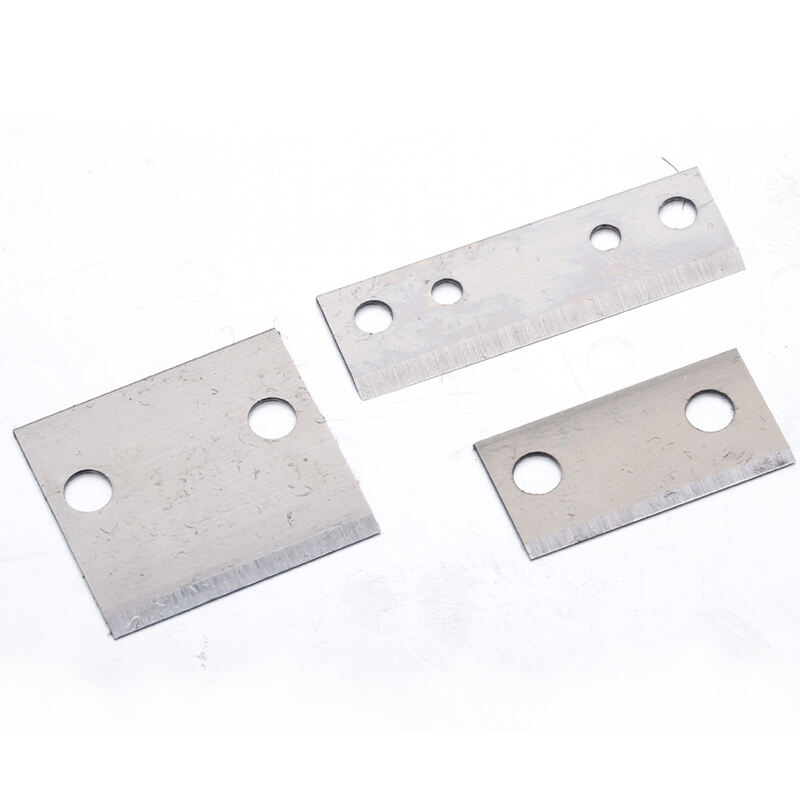
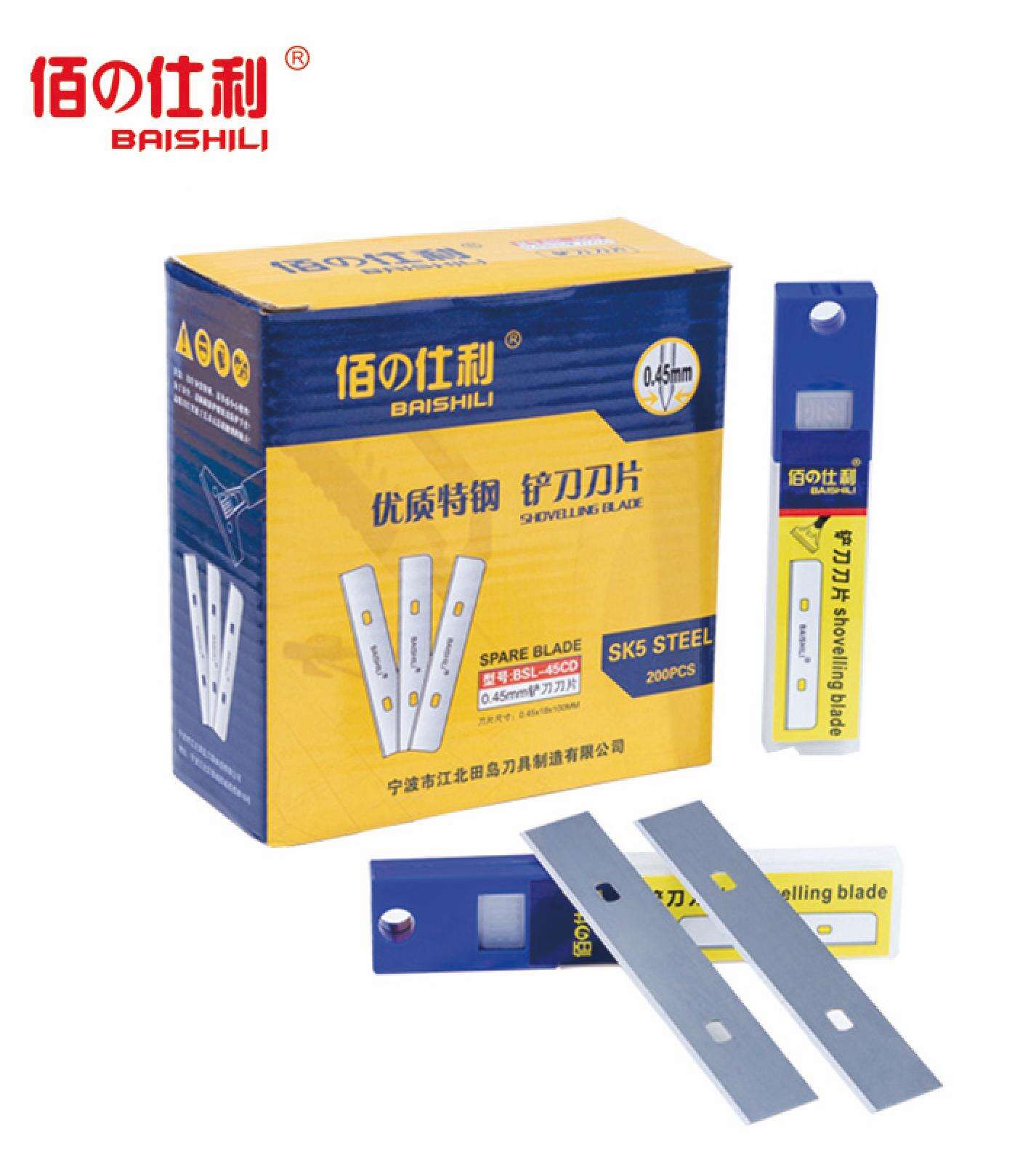
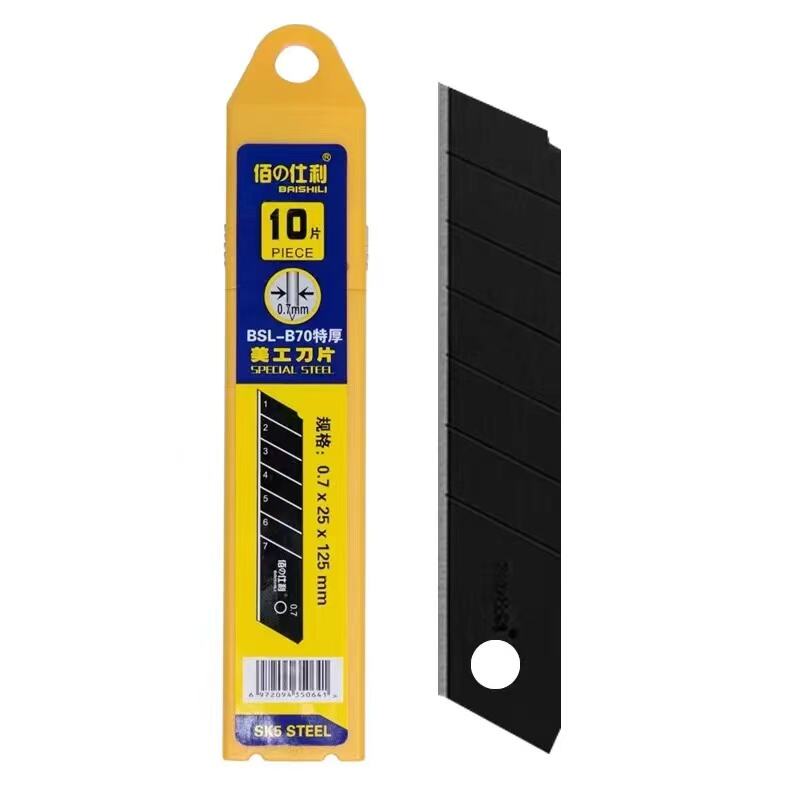
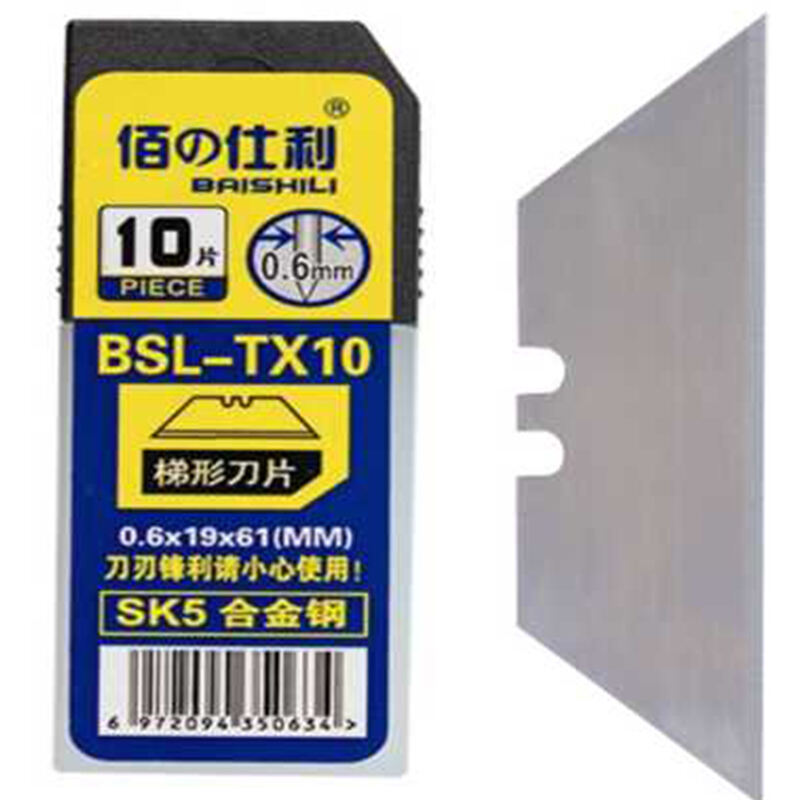
Improved and easier manufacturing of rotavator blades For instance, a company named Baishili has specialized machines that cut and sharpen the blades to precise sizes. This ensures that all blades are the same size and shape, resulting in higher performance in the field.
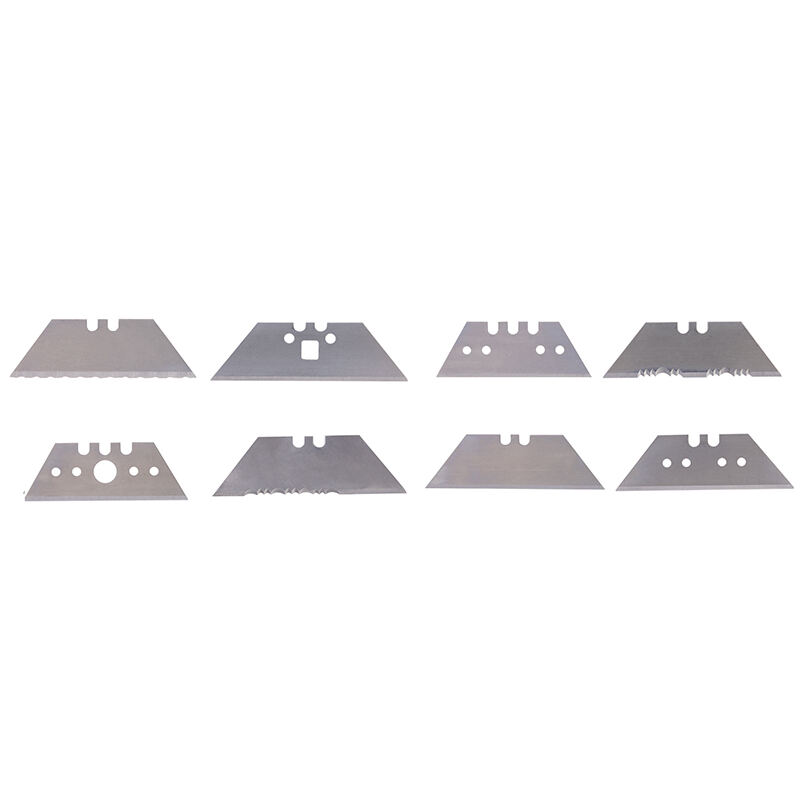
It's very important to use high-quality materials when making rotavator blades. Hard steel is an advanced material that makes the diamond blades durable and strong which claws through the rough ground. This matters a lot to farmers whose tools need to perform.
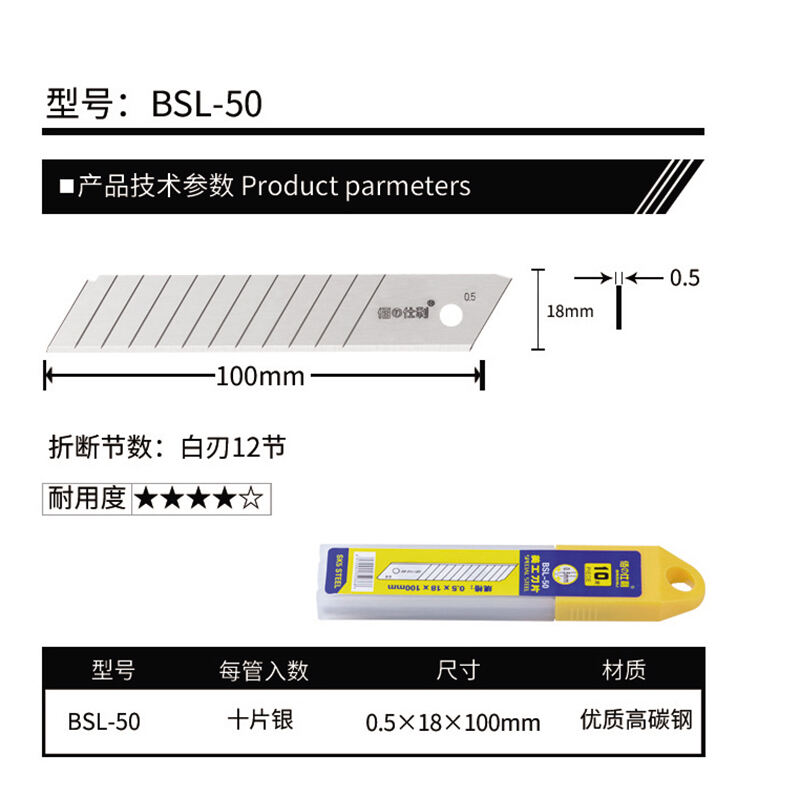
Durability and reliability of rotavator blades is very crucial as well. Easily broken blades cost farmers money and delay planting. Which is why companies like Baishili make blades that are made to last with care.
Operating from a 6,000-square-meter factory with an annual output value exceeding US$100 million, we ensure consistent production capacity and an average lead time of 30 days for timely order fulfillment.
Our upgraded facility in Ningbo Yuyao features advanced heat treatment and 12 specialized sharpness grinders, supported by rigorous quality checks for sharpness every half hour and hardness per coil steel.
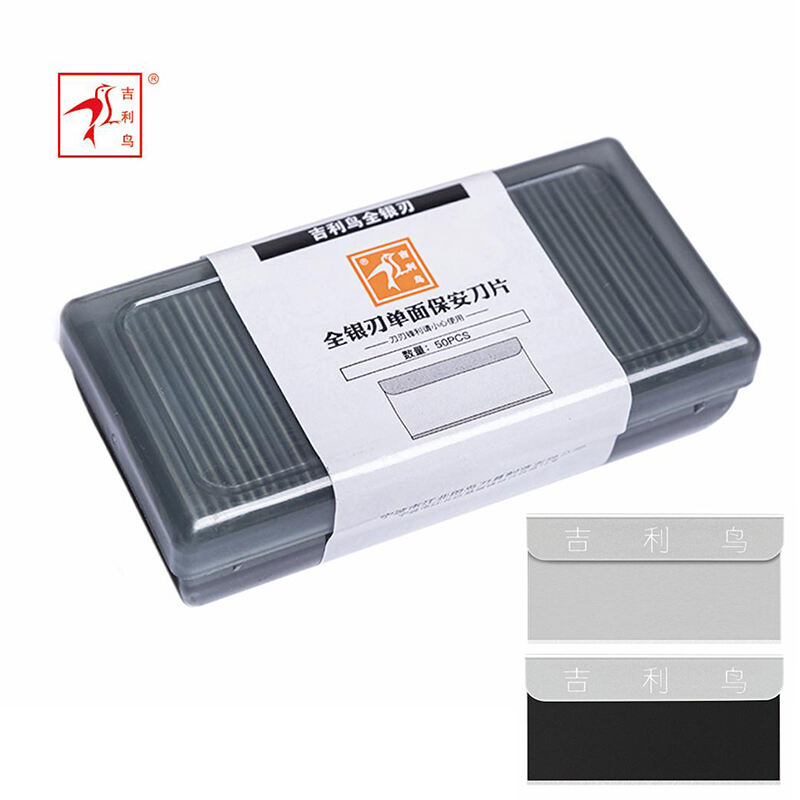
Beyond standard blades, we offer extensive customization, including hook, blister, and serrated blades, with full OEM, design, and private labeling services to meet unique client specifications.
We export 60% of our high-quality blades to major global markets, including Germany and the USA, building a reputation for reliability and precision in the international cutting tool industry.